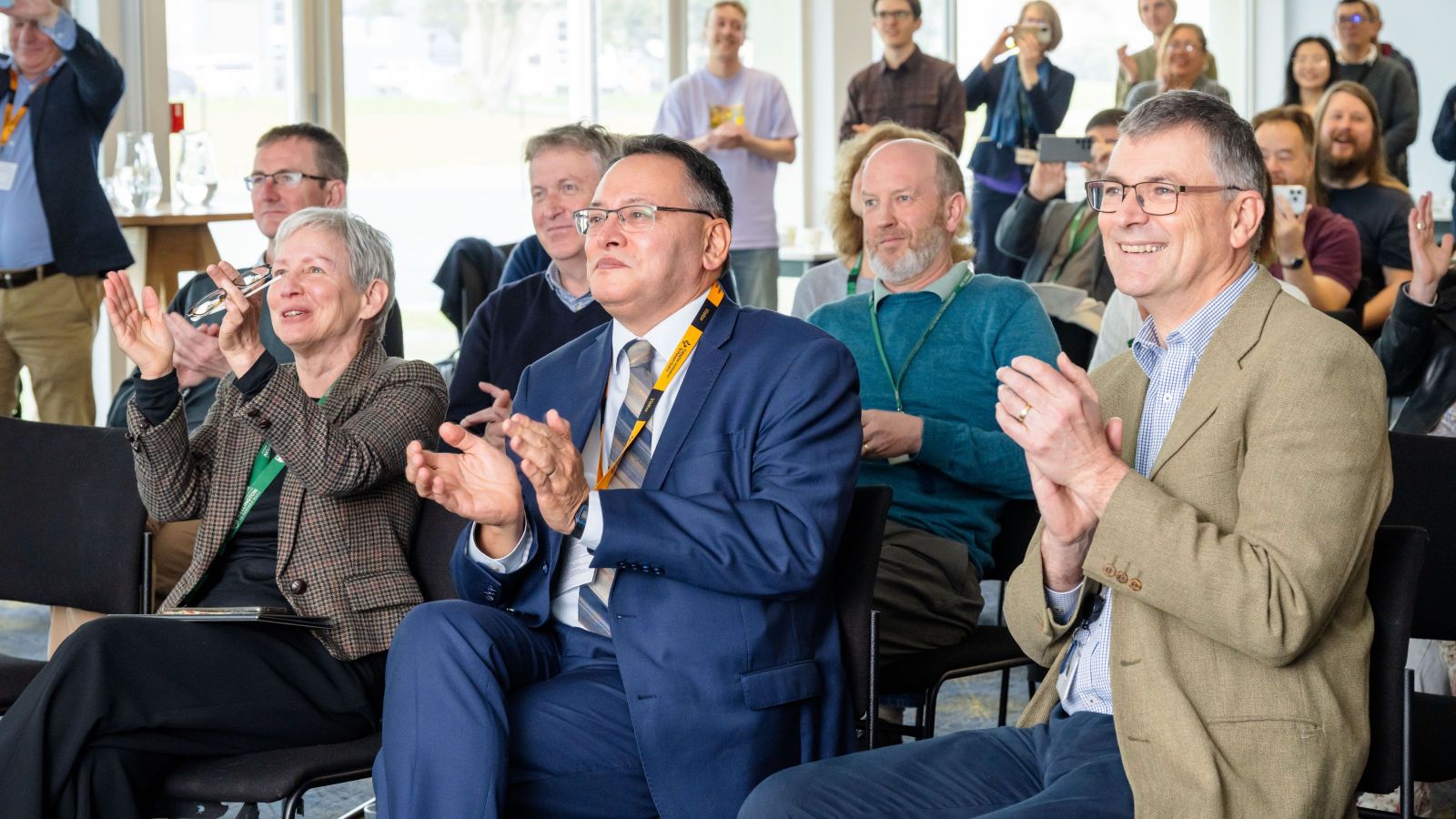
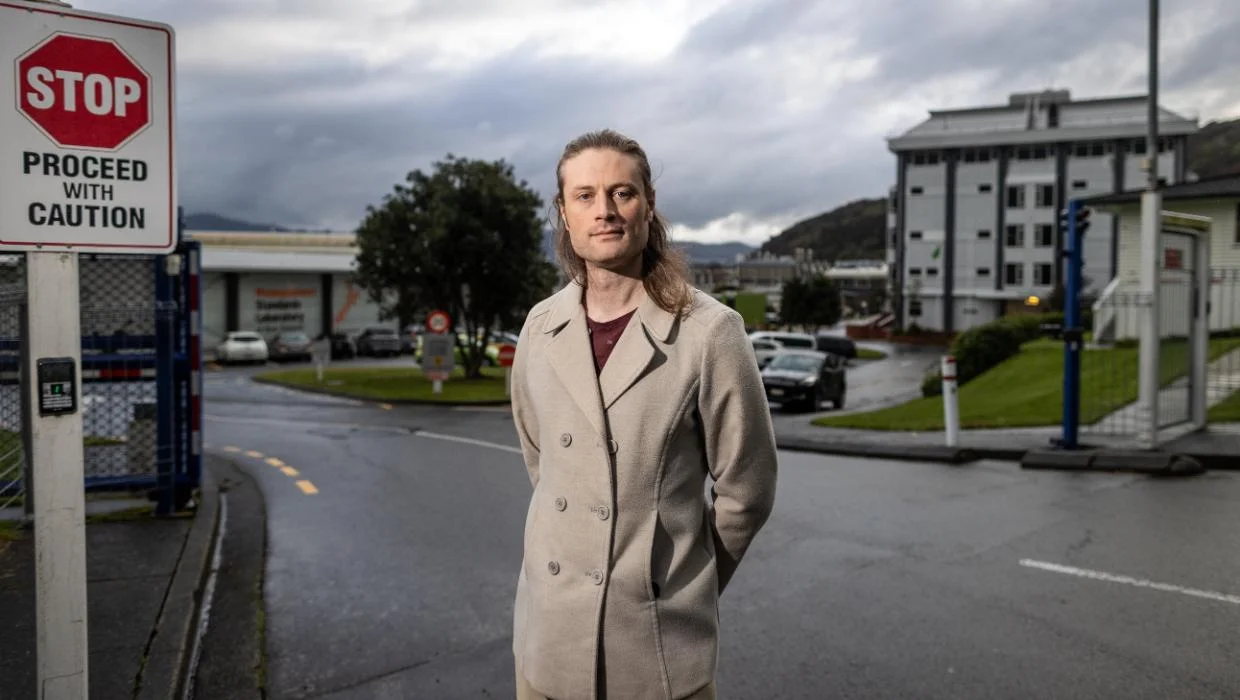
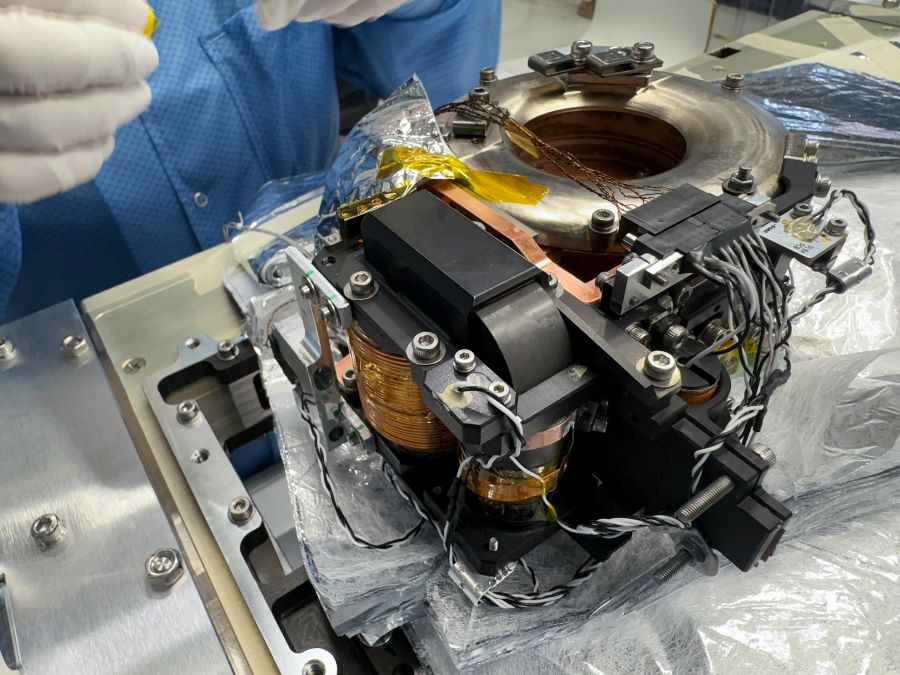
'Superconducting magnetic-switch rectifier for fusion-magnet flux pump', has been selected for the inaugural Applied Doctorates Scheme, a Ministry of Business, Innovation and Employment (MBIE) initiative with an initial focus on energy. It is a three-year applied doctorate that lives exactly where deep physics, materials science, and a fast-moving industrial goal converge.
Congratulations to Institute Scientist Dr Yao Zhang who has been awarded a Marsden Fast-Start Grant to investigate "Building faster, smaller, and energy-efficient memory for the global explosion of data".
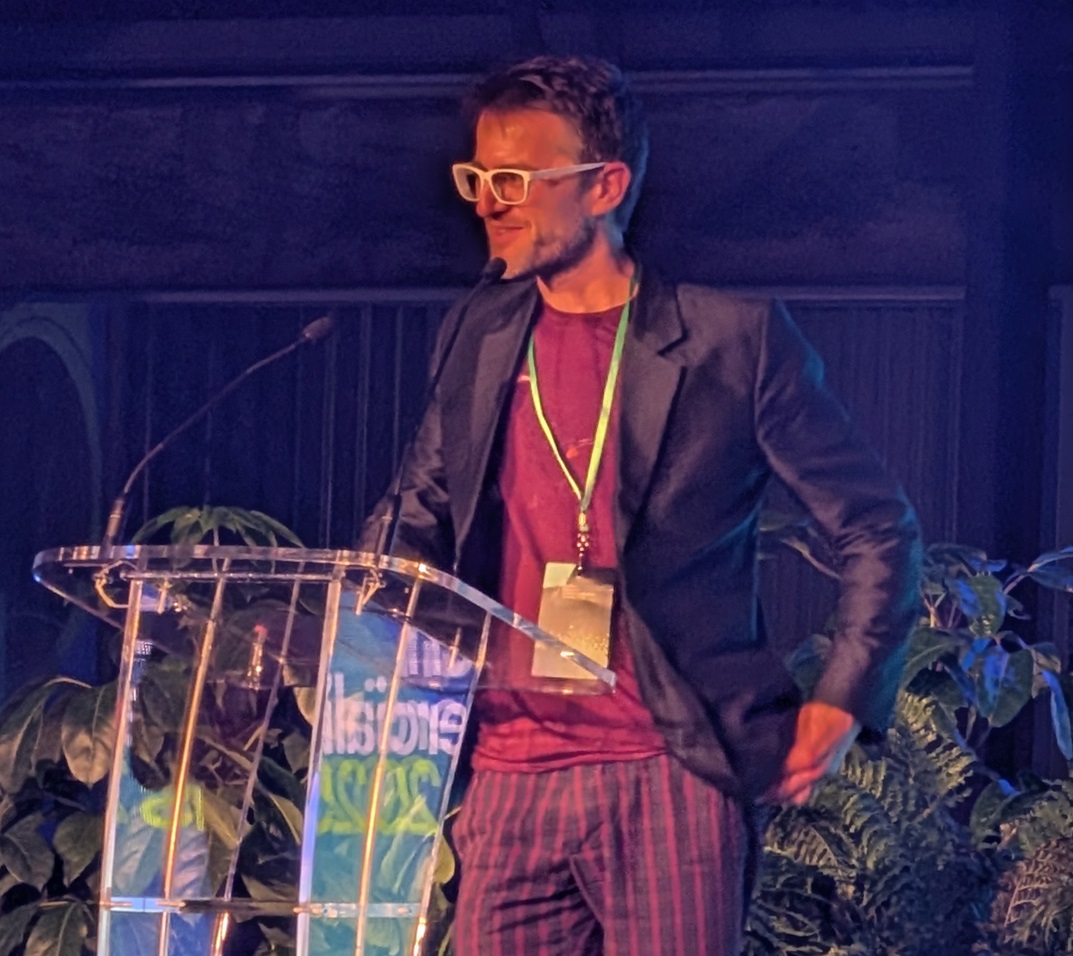
Congratulations to Institute Senior Scientist Dr Ben Mallett, winner of the 2025 Ara Ake Breakthrough Innovator Award for his work that is propelling New Zealand to the frontiers of deep space.
The sky is no longer the limit for young engineers as New Zealand’s space sector continues to grow.
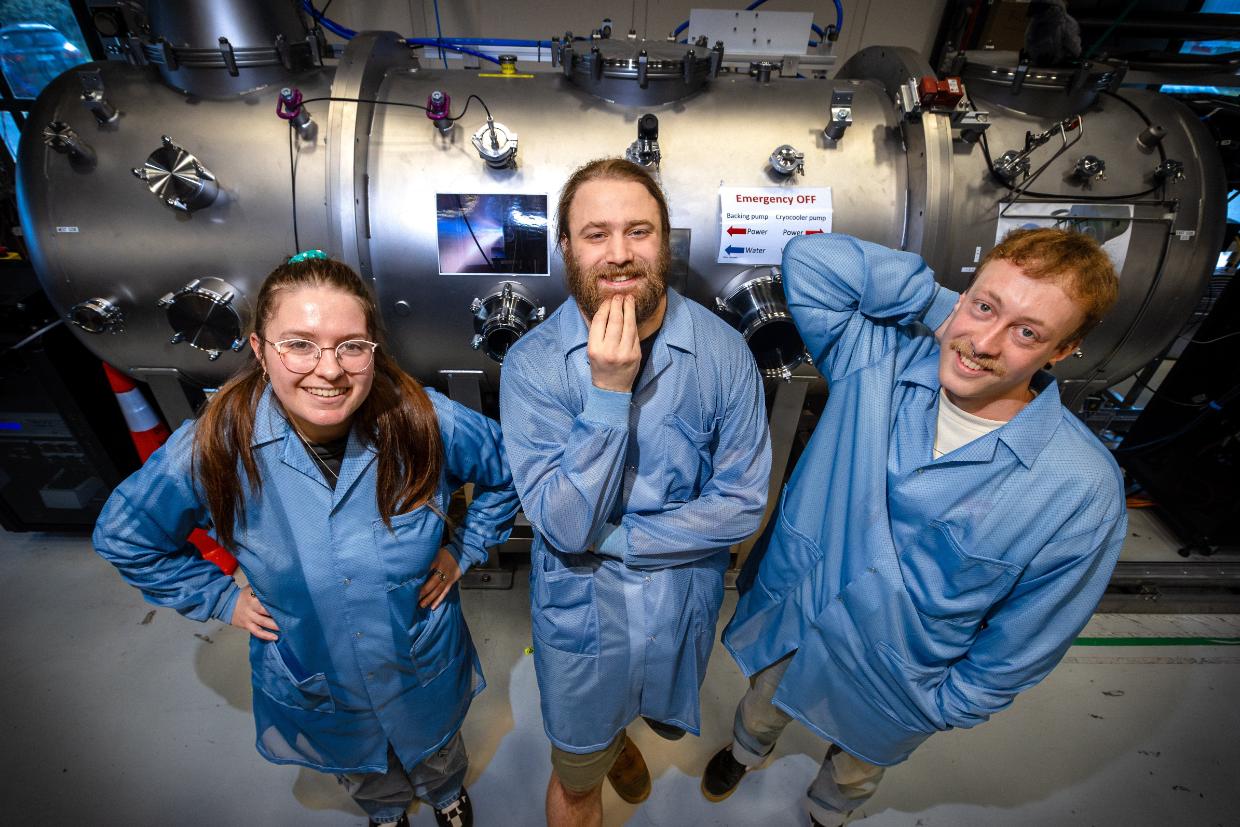
Celine Jane, 26, is part of a team pioneering new space technologies at Victoria University’s Paihau-Robinson Research Institute in Lower Hutt. In 2023, she was one of five New Zealand Space Scholarship recipients and spent three months interning at NASA’s Jet Propulsion Lab in California.
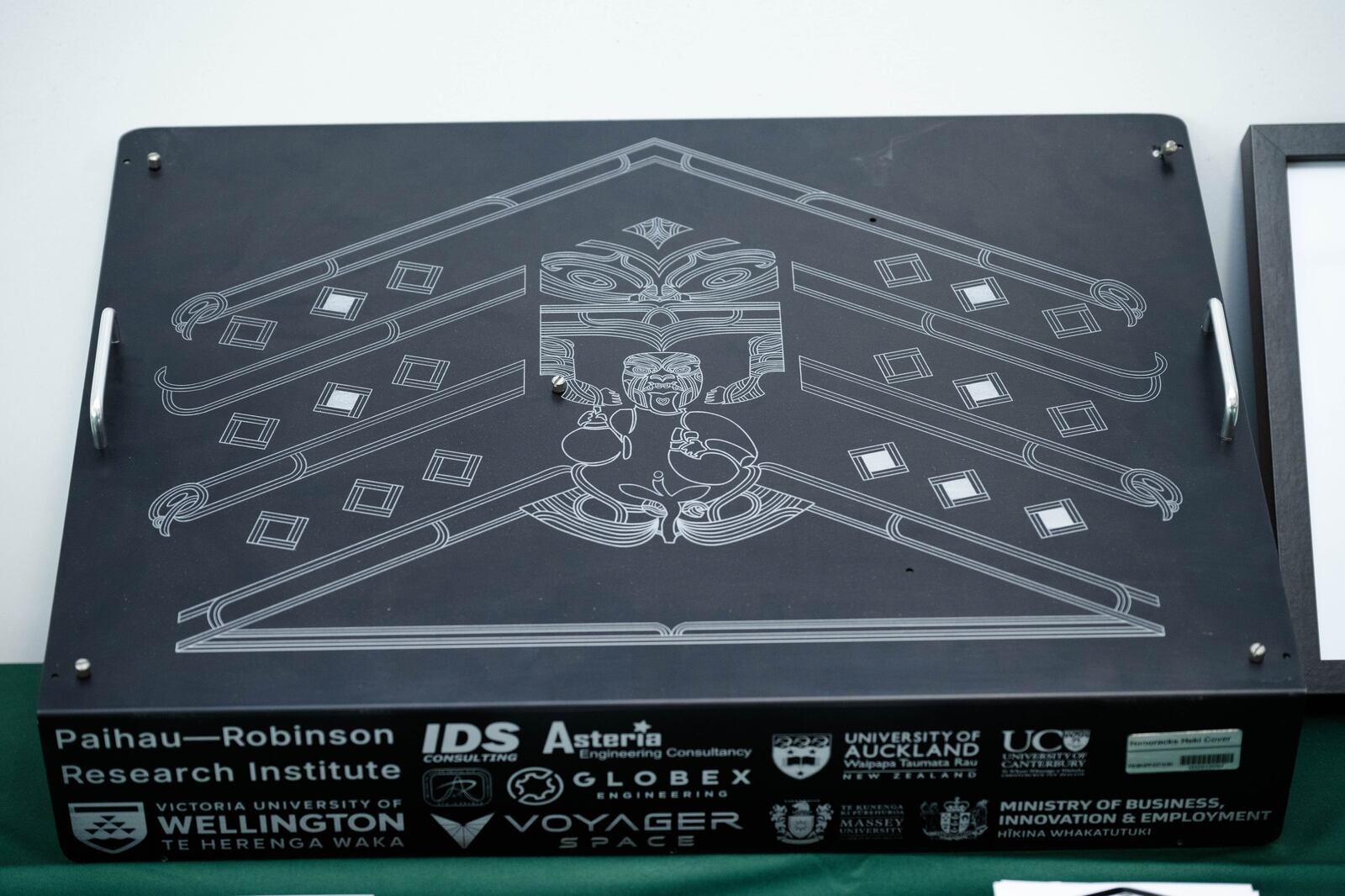
A rocket has launched to space carrying a magnet etched with a Māori design - making it a world-first.
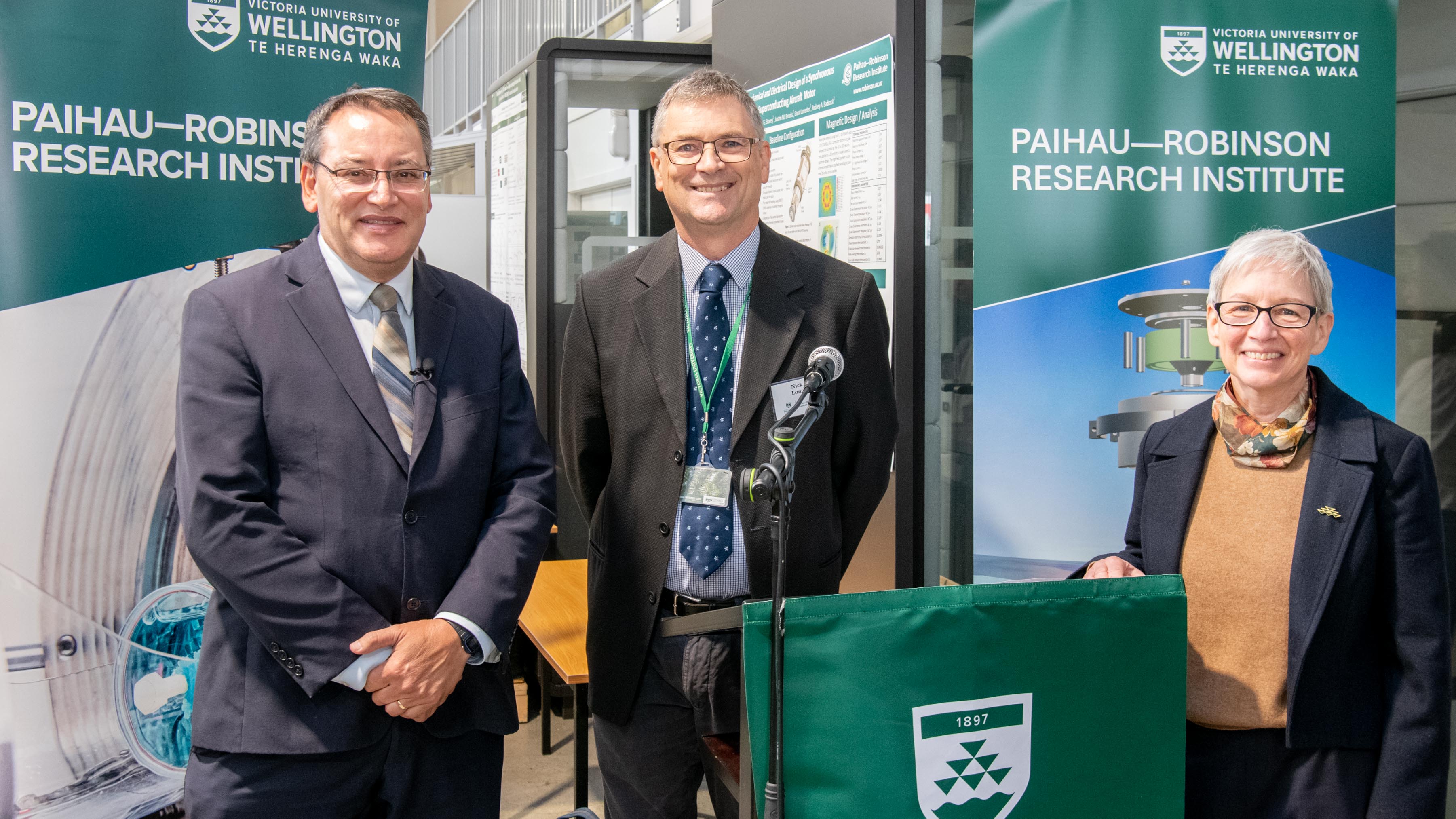
Professor Nick Long, director of the Robinson Research Institute, says there was a need to cover and protect the experiment, and so the idea was put forward that they could have a Māori design on it.
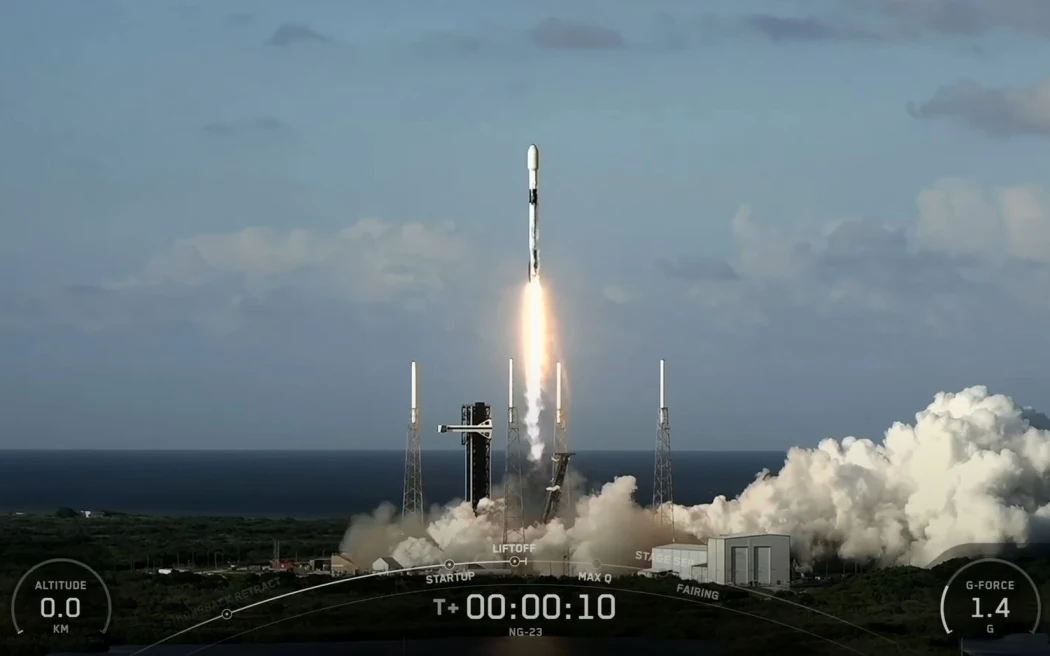
Launched in Florida a couple of days ago, it will make its way to the International Space Station (ISS), where scientists will study it.
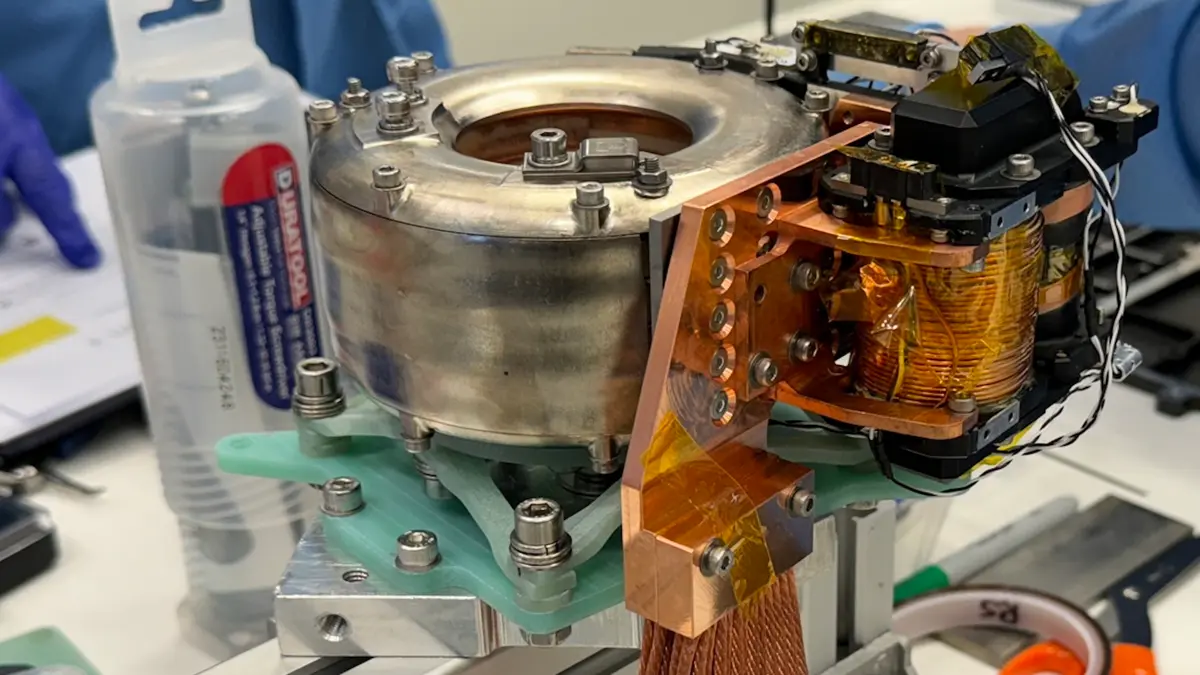
A high-temperature superconducting magnet built by Robinson Research Institute has launched into space for testing aboard the International Space Station.
The Hēki technology demonstration payload, a pioneering superconductivity project undertaken by Paihau—Robinson Research Institute, has been launched successfully to the International Space Station (ISS) and is expected to arrive at the ISS later this week.
Robinson Research Institute has hosted a two-week visit from three engineers leading AIRBUS's efforts to develop superconducting electric aircraft motors powered by hydrogen fuel cells. The aim is to identify how New Zealand's expertise in this area can help accelerate this technology.
Robinson Research Institute's low-emission hydrogen steel making research programme, led by Professor Chris Bumby, is preparing to go commericial and tap into private funding.
A team of space scientists in Lower Hutt are eagerly awaiting a rocket ride for their gear to the International Space Station to test out a potentially ground-breaking space travel breakthrough.
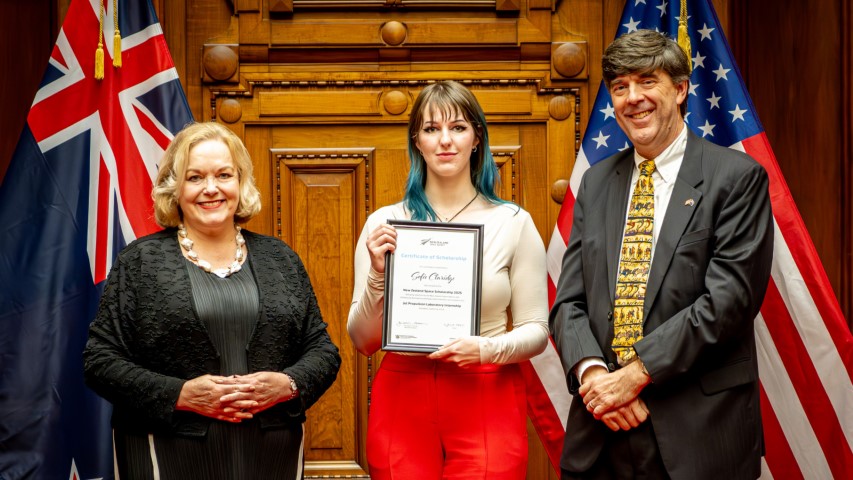
Congratulations to Institute PhD candidtate Sophie Claridge who has been awarded a scholarship to undertake an internship at the NASA Jet Propulsion Laboratory.
Congratulations to Institute Scientist Dr Jackson Miller whose proposal, "An on-chip microwave circulator for scalable quantum computing", has been awarded funding in this year's Smart Idea round.
This comprehensive story on the latest changes to New Zealand's science system features contributions from Robinson Research Institute staff Dr Ben Wylie-van Eerd, Professor Jeff Tallon and Professor Rod Badcock.
Zenno Astronautics, Wellington UniVentures, and Paihau—Robinson Research Institute have joined forces to advance the development of superconducting magnet technologies for space.
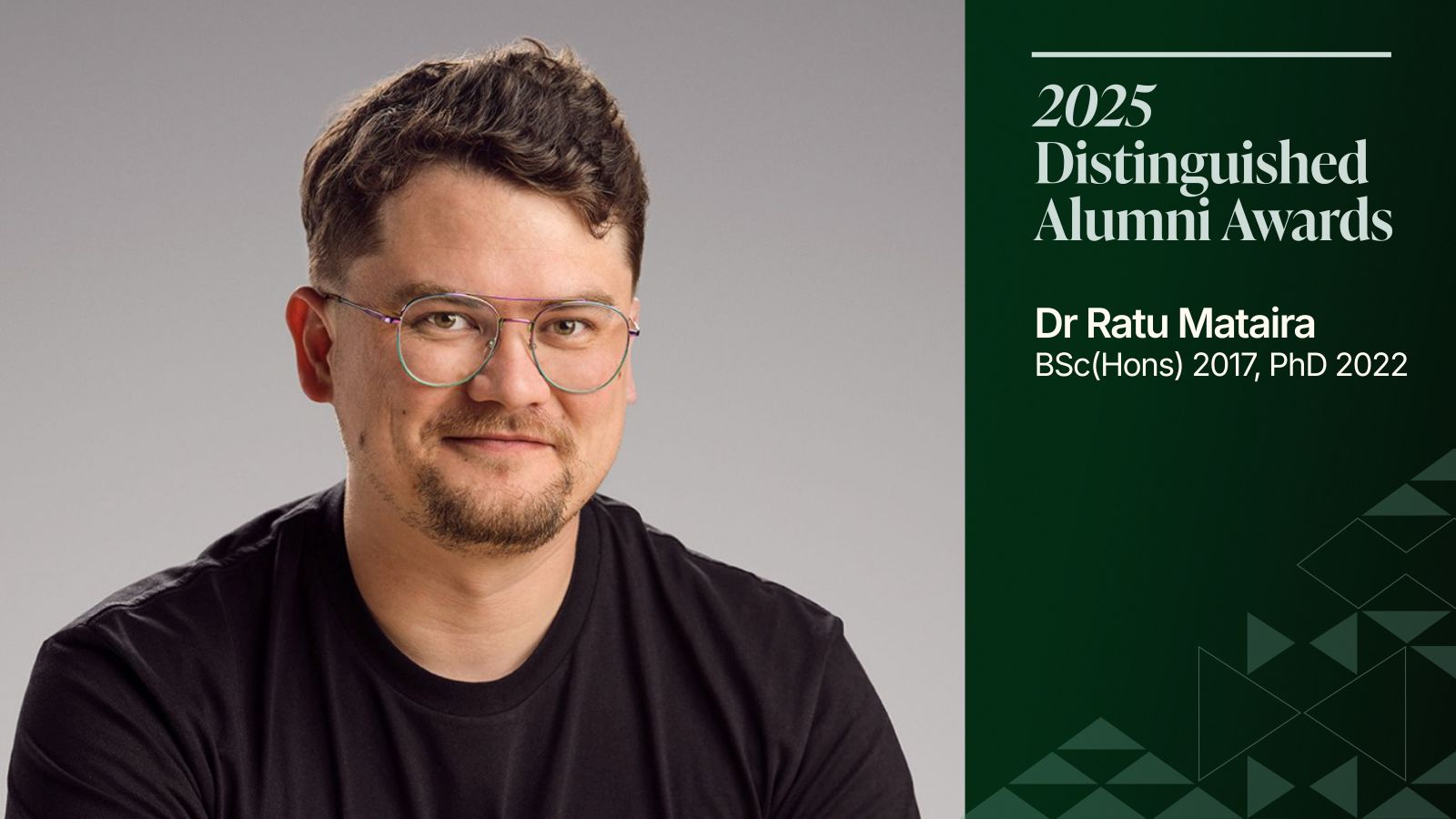
Congratulations to our recent PhD graduate, Dr Ross Taylor, who has been named on the 2025 Doctoral Dean’s List for his thesis "Modelling, Development and Testing of a Highly Compact, High-Field (RE)BCO Magnet".
Awarded to the top 5 percent of doctoral candidates, the Dean's List is a formal record and public acknowedgement of work judged by examiners to be of exceptional quality, which makes an outstanding contribution to a graduate's particular field of research.
Robinson Research Institute, a pioneer in high-temperature superconductivity (HTS) research, has received funding of $71million towards setting up and hosting an advanced technology platform in Future Magnetic and Materials Technologies.
The funding for the advanced technology platform was announced by Minister for Science, Technology and Innovation Dr Shane Reti at Robinson Research Institute’s facility in Lower Hutt, and will operate through the Ministry of Business, Innovation and Employment-administered Strategic Science Investment Fund (SSIF) portfolio over a period of seven years.
"Elected for being an international leader in high-temperature superconductivity and its application to motors and generators for aerospace." Read more here.
A team of scientists from the Victoria University of Wellington, New Zealand, aims to reduce the space industry's reliance on traditional chemical rocket propulsion.
The team is developing a new type of electric propulsion magnet. It is set to test the technology aboard the International Space Station (ISS) in the coming months.
New Zealand researchers aim to combine plasma thrusters and superconducting magnets.
German Delegation Visits Institute
12 February, Robinson Research Institute
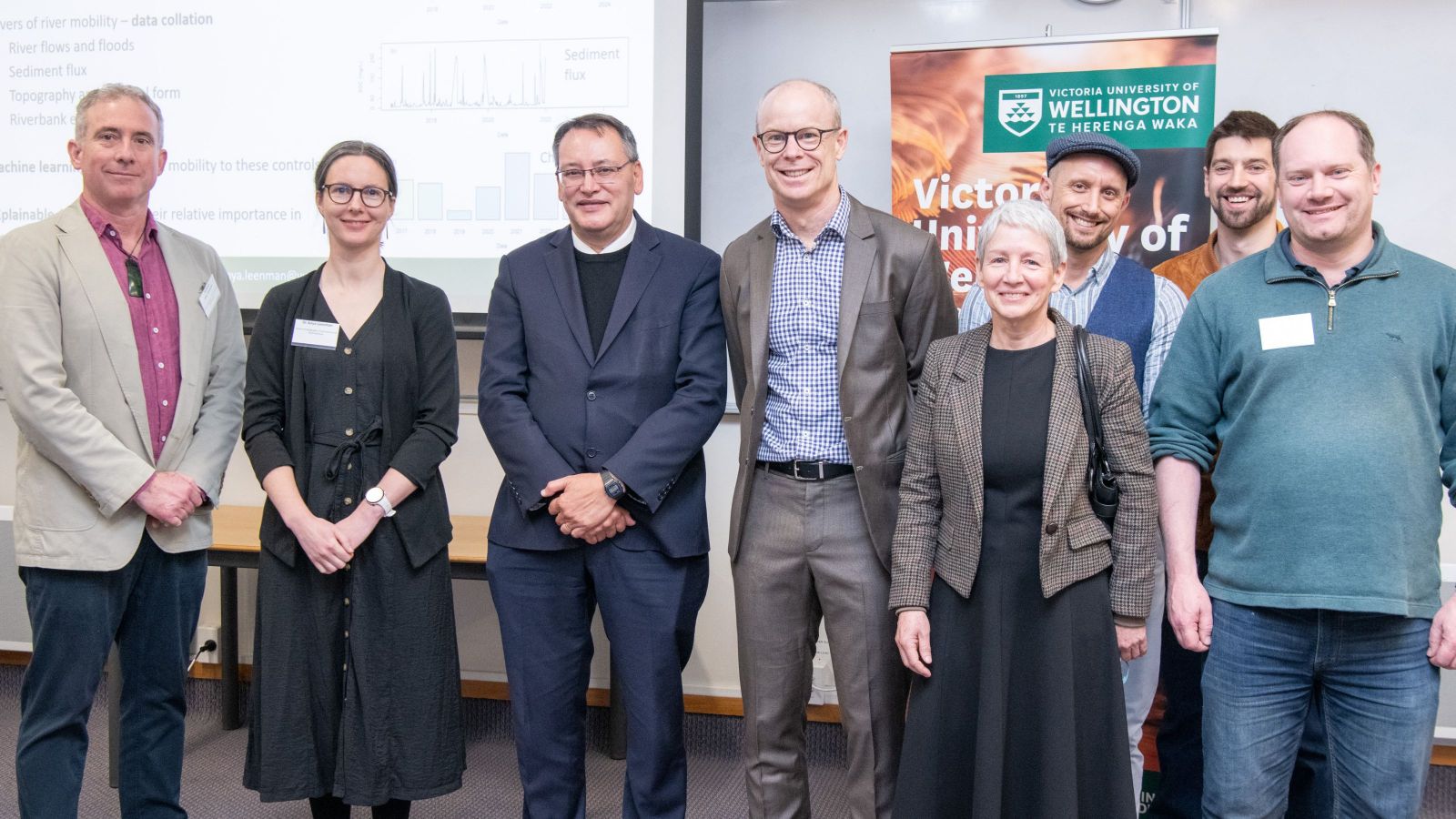
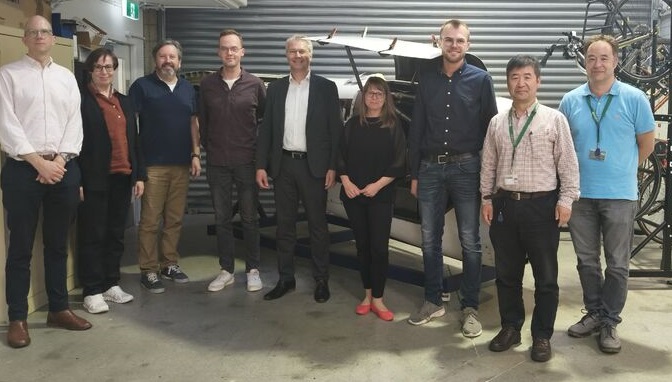
We welcomed a German delegation to our Sydney Street facility. Mr Christian Stertz, Divisional Manager for International Research Cooperation at the German Ministry of Education and Research, led the group in Wellington for bilateral science consultations between German and New Zealand officials.
During the visit, exchange students Lukas Hamm and Adrian Voß from South Westphalia University of Applied Sciences presented their research from the past six months.
It was an excellent opportunity to share our work and strengthen international collaborations in research and innovation.
In global academia, collaboration often comes laden with bureaucracy and formalities. Yet, the partnership between Paihau–Robinson Research Institute in New Zealand and South Westphalia University of Applied Sciences in Meschede in Germany exemplifies how informal, grassroots connections can yield extraordinary results. This enduring collaboration, which began in 2014 is a testament to the power of personal relationships and shared values in fostering meaningful academic and practical achievements.